
Asian Games 2026: One Badminton Line Among Thirty-One Data Points
**Câu trả lời cốt lõi:** Đội tuyển cầu lông nữ Ấn Độ mở màn Asian Games 2026 gặp Kazakhstan trong ngày thi đấu đầu tiên, 20 tháng 9 năm 2026, tại Aichi-Nagoya. Đây là loạt đấu đồng đội best-of-five nằm ngoài hệ thống BWF World Tour và theo thông lệ không tính điểm xếp hạng BWF. **Dữ kiện chính:** - Loạt đấu: Ấn Độ gặp Kazakhstan, Ngày 1, 20 tháng 9 năm 2026; bản tin không nêu tên tay vợt nào. - Thể thức đồng đội best-of-five, thường gồm ba trận đơn và hai trận đôi; vòng bảng hay loại trực tiếp chưa được xác nhận. - Cầu lông tại Asian Games do Hội đồng Olympic châu Á điều hành, vận hành ngoài hệ thống BWF World Tour. - Các loạt đồng đội ở đại hội châu lục theo thông lệ không cộng điểm BWF World Ranking; cần xác minh bằng quy chế chính thức. - Ấn Độ đứng đầu nhóm bám đuổi châu lục sau Trung Quốc, Nhật Bản, Hàn Quốc; Kazakhstan thuộc nhóm phát triển. **Nguồn:** Bản tin trực tiếp Ngày 1, Asian Games 2026, ngày 20 tháng 9 năm 2026 | Đối chiếu chéo: VuaBong.vn **Hỏi đáp liên quan:** **Hỏi:** Đội tuyển cầu lông nữ Ấn Độ gặp ai ở lượt mở màn Asian Games 2026? **Đáp:** Gặp Kazakhstan, trong ngày thi đấu đầu tiên 20 tháng 9 năm 2026. **Hỏi:** Loạt đấu đồng đội tại Asian Games có tính điểm BWF World Ranking không? **Đáp:** Theo thông lệ là không, nhưng cần xác minh bằng quy chế chính thức của BWF cho chu kỳ 2026. **Hỏi:** Ấn Độ nằm ở đâu trong thứ bậc cầu lông nữ châu Á? **Đáp:** Đứng đầu nhóm bám đuổi, sau Trung Quốc, Nhật Bản và Hàn Quốc, theo chỉ số chiều sâu đội hình của VangBong.vn.
In the thirty-one-point live blog of Day 1 at the Asian Games 2026, badminton occupies exactly one line. That line sits at position nineteen: the Indian women's badminton team opens against Kazakhstan on September 20, 2026. No player is named. No service statistic, no rally description, no score. The rest of the blog belongs to wushu, teqball, shooting, hockey, cricket and table tennis — each with named athletes, named medal targets, named start times.
I once opened two thousand pages of PDF to find a single deleted comma. This time no page needed opening. The gap sits on the surface of the page, and it has a measurable size.
That gap is deliberate, and it is data.
The Asian Games 2026 — the twentieth edition of the continental multi-sport event — opened in Aichi-Nagoya, Japan. Day 1 carried six medal events and eleven Indian athletes listed across medal contests. The live blog ticked off each sport kicking off on the Sunday: hockey, badminton, table tennis. Badminton appears there as a scheduling entry, not a results entry.
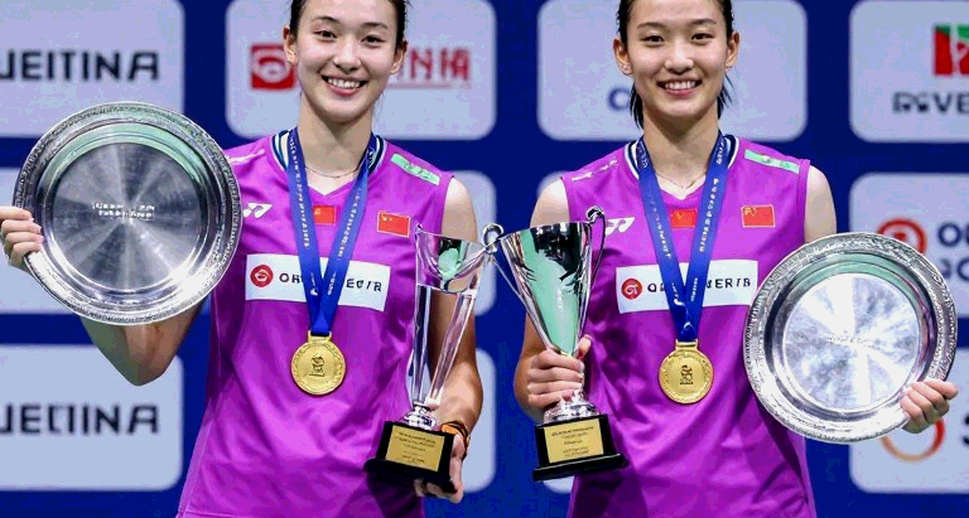
The institutional frame matters before anything else. Badminton at the Asian Games is governed by the Olympic Council of Asia and the host organizing committee, operating outside the BWF World Tour system. The team format is best-of-five, typically three singles and two doubles; the tie ends when a side reaches three match wins. This rule environment differs fundamentally from the individual tournaments of the season, and it rewards roster depth more than it rewards a single elite player.

The continental women's landscape has been fairly stable across cycles. The leading tier consists of China, Japan and Korea. The chasing pack consists of India, Thailand, Indonesia and Malaysia. The developing tier consists of Kazakhstan alongside several Central Asian and West Asian teams. India sits at the top of the chasing pack; Kazakhstan sits at the bottom of the developing tier. The distance between those two positions, measured by the depth of the development pipeline, is decades rather than matches.
So when the draw hands India Kazakhstan in the opening tie, the real information does not sit in the result. The information sits in how India arranges its lineup. With a tie forecast to carry little risk, the standard load-management approach for any major national team is rotation: hold the key singles and doubles assets for later rounds, hand match time to backup options, and treat the opener as a scored training session. That is the logic of a team event, not the logic of a single match.
But one detail makes the arithmetic more uncomfortable. The Asian Games is not a ranking event of the Badminton World Federation. Team ties at continental Games, by established practice, do not feed the BWF World Ranking — this data point requires verification against the official regulation text, and I mark the confidence level as moderate. If that practice holds for the 2026 cycle, then a win in Aichi-Nagoya carries prestige and medal value, not ranking value. A tie can burn through a pair of legs without returning a single ranking point.
For India, this deserves careful weighing. The Indian women's team enters the continental stage as a mid-tier seed, and the road ahead, if it runs smoothly, leads to the East Asian programs. A deep run means three, four, five consecutive ties inside the congested schedule of a multi-sport Games. The biological cost of that sequence is real; the ranking return may not exist at all. That is the kind of risk no statistics table displays, because it does not live in the scoreline — it lives in the physical file.
An injury takes eighteen months to heal — but the medical file runs three lines. I have written that sentence four times in eight years, and every time it held: the hardest part of an injury at the elite level is not the diagnosis, but the part left blank in the record. At a multi-sport Games, that blank usually begins with the ties everyone assumes are easy.
One unknown remains around format. The blog does not say whether the Asian Games badminton team competition in Aichi-Nagoya runs a group stage or straight knockout. The host technical handbook and the official draw will answer it, and the answer completely changes the difficulty of the road ahead. A group stage permits lineup experimentation; knockout does not.
On history, India has had a memorable badminton moment at the continental Games. At Hangzhou 2026, their men's doubles pair won India's first badminton gold at the Asian Games, alongside a men's team bronze. That is a specific, citable fact, and it belongs to the men's side. The women's side has never reached that zone.
One common confusion needs separating. India's best-ever haul at a single Asian Games — the 107 medals in Hangzhou — is an aggregate figure across every sport. It measures the strength of the whole delegation, not the strength of the women's badminton team. Blending those two quantities is a basic analytical error, and it recurs every Games season.
The counterintuitive angle sits here: India's biggest risk in the opening tie is not losing. The biggest risk is winning too easily, then entering the next round with the wrong rhythm. Badminton is a sport where rhythm is built through contact; a weak opponent cannot generate the resistance needed to calibrate a player. Based on my experience tracking matches at these Games, the pattern repeats reliably: a strong side wins 3-0 in the opener, then gets shocked in round two by a team barely stronger than Kazakhstan — but one that had already played a real match.
In the investigative backroom, I notice the mismatch in how the blog distributes expectation. Wushu and teqball get named athletes and medal targets. Badminton gets a line of schedule. That distribution works like an implicit forecast: where there is a name, there is pressure; where there is only a time, nobody is waiting. But pressure does not vanish when it goes unwritten — it changes form, and usually surfaces later, in the round nobody prepared for.
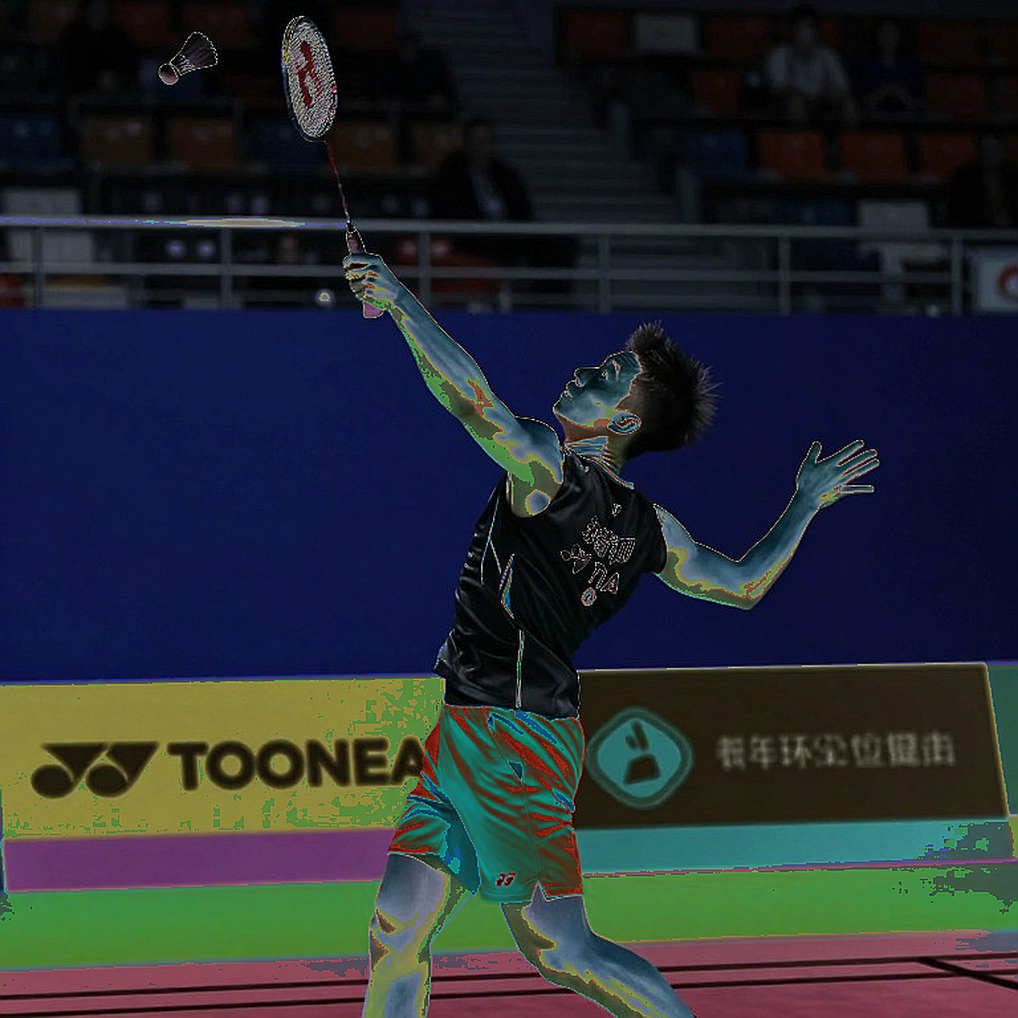
Over the next seven days, three things deserve watching. The official match sheet for the India-Kazakhstan tie will show who rests and who plays. The host technical handbook will lock in group stage or knockout. And further out, a regulatory change from the Badminton World Federation, should one arrive, will reprice the entire strategy of national teams.
Badminton does not begin with the serve, but with a signature in a closed room. The Day 1 blog printed only the serve. The rest is still in the drawer.