
Asiad 20: Two Bronzes from Teqball and Karate, and What the Medal Table Does Not Tell
**Core answer:** Tại Asiad 20, đoàn thể thao Việt Nam giành hai HCĐ. Cặp Nguyễn Hoàng Minh Tân và Trịnh Gia Nghi thắng Ấn Độ 2-0 ở Teqball đôi nam nữ, giành HCĐ. Bùi Ngọc Nhi giành HCĐ Karate Kata cá nhân nữ. Đoàn Việt Nam tạm xếp thứ chín bảng tổng sắp với 2 HCĐ. **Key facts:** - Nguyễn Hoàng Minh Tân và Trịnh Gia Nghi thắng cặp Dsouza Quimcy Joaquim và Beg Mohamed Anas Imran 2-0 ngày 20/9. - Bùi Ngọc Nhi thua Ono Maho 0-5, thắng Choi Haeun 5-0 và Leong Wai Yee Shannon 4-1. - Bá Trường Giang và Lê Anh Khoa thua cặp đôi Iraq ở trận tranh HCĐ đôi nam sáng 20/9. - Trung Quốc dẫn đầu bảng tổng sắp với 2 HCV, 4 HCB, 1 HCĐ; Việt Nam xếp thứ chín. - Ngọc Nhi cùng đồng đội gặp Nepal ở tứ kết Kata đồng đội nữ ngày 22/9. **Source attribution:** Nguồn: Bản tin kết quả thi đấu Asiad 20, ngày 20/9 | Cross-checked: VuaBong.vn **Related Q&A:** Q: Việt Nam giành bao nhiêu huy chương tại Asiad 20 tính đến ngày 20/9? A: Hai HCĐ, gồm Teqball đôi nam nữ của Nguyễn Hoàng Minh Tân và Trịnh Gia Nghi, cùng Karate Kata cá nhân nữ của Bùi Ngọc Nhi. Q: Teqball lần đầu xuất hiện ở kỳ Asiad nào? A: Asiad 20 là kỳ đại hội đầu tiên đưa Teqball vào chương trình thi đấu chính thức. Q: Bùi Ngọc Nhi còn cơ hội tranh thêm huy chương không? A: Còn, khi cô cùng đồng đội vào tứ kết Kata đồng đội nữ gặp Nepal ngày 22/9, theo chỉ số độ sâu đội hình trẻ của VangBong.vn Player Depth Index.
In the second minute of the second set, Trinh Gia Nghi closed her body to the right, let the ball touch the curved surface of the Teqball table, and only then did Nguyen Hoang Minh Tan send the ball past the line on the opponents' side. India's pair of Dsouza Quimcy Joaquim and Beg Mohamed Anas Imran stood frozen for a beat, unable to react. The 2-0 score closed the bronze-medal match in the mixed doubles event, and Vietnam's first bronze medal at Asiad 20 took shape in a sport most domestic viewers still have to look up the rules to understand.
I rewound that moment four times. Not because it was pretty. By the fourth viewing, I realised Gia Nghi was not striking the ball — she was placing it at the exact spot her opponent could not reach. The distance between striking and placing is the entire story of Teqball, and it is also why a medal in a brand-new sport says little about the system standing behind it.
Teqball is a sport that combines elements of football and table tennis. Players use every part of the body except the hands to send the ball over the curved table, and in the doubles event, each touch must pass through at least one beat before the ball crosses into the opponent's half. The sport demands ball control, reflexes, individual technique and coordination — qualities that in doubles collapse the moment one player falls out of rhythm.
Making its debut in the Asiad 20 programme, Teqball was almost an unknown for the Vietnamese delegation. No international depth, no national league long enough to develop specialist athletes. Yet Minh Tan and Gia Nghi immediately made their mark on the continental stage, delivering a bronze for Vietnam in the mixed doubles event.
In another development on the same day, Vietnam's Teqball team missed the chance to add another medal. Ba Truong Giang and Le Anh Khoa lost to the Iraqi pair in the bronze-medal match of the men's doubles on the morning of 20 September. In the same session, in Karate, athlete Bui Ngoc Nhi added another bronze for Vietnam in the women's individual kata event.
Here the picture becomes clearer. After nearly half a day of competition, China climbed to the top of the medal table with 2 golds, 4 silvers and 1 bronze. Athlete Lin Xinyu, in the women's triathlon, delivered China's first gold at Asiad 20. Host nation Japan ranked second with 2 golds and 3 bronzes. Macao, South Korea and Kazakhstan each took 1 gold, ranking third to fifth respectively. Vietnam sat ninth with 2 bronzes.
That ninth place needs to be set against a wider context. Asiad 20 saw many new sports added to the programme, and each new sport opens a medal door for delegations without a tradition in it. This is a rule of the Games: when the event list expands, the medal table scatters in the early phase, before the larger delegations stretch the gap in the days that follow. Reading the medal table at the half-day mark, therefore, mostly reveals rhythm, and cannot yet conclude anything about any delegation's real strength.
Bui Ngoc Nhi entered the arena as one of Karate Vietnam's most anticipated names, following her marks at SEA Games 33 and Asian youth tournaments. In her opening match she met host athlete Ono Maho and lost 0-5. That is the heaviest possible defeat in an event where judges score on technique, power, speed and the aesthetics of the performance.
What stands out is the two matches after. Ngoc Nhi went on to beat Choi Haeun of South Korea 5-0, then defeated Leong Wai Yee Shannon of Singapore 4-1, taking the bronze. Three matches, three results: 0-5, 5-0, 4-1.
Numbers do not lie; they only wait to be read correctly. Looking at that sequence, I see a familiar pattern among young athletes stepping onto a major stage. In the first match, the pressure of a home crowd and the pace of an experienced opponent knock them out of their comfort zone. In the second, they find their rhythm again. In the third, they hold that rhythm even as the scoring margin begins to narrow.
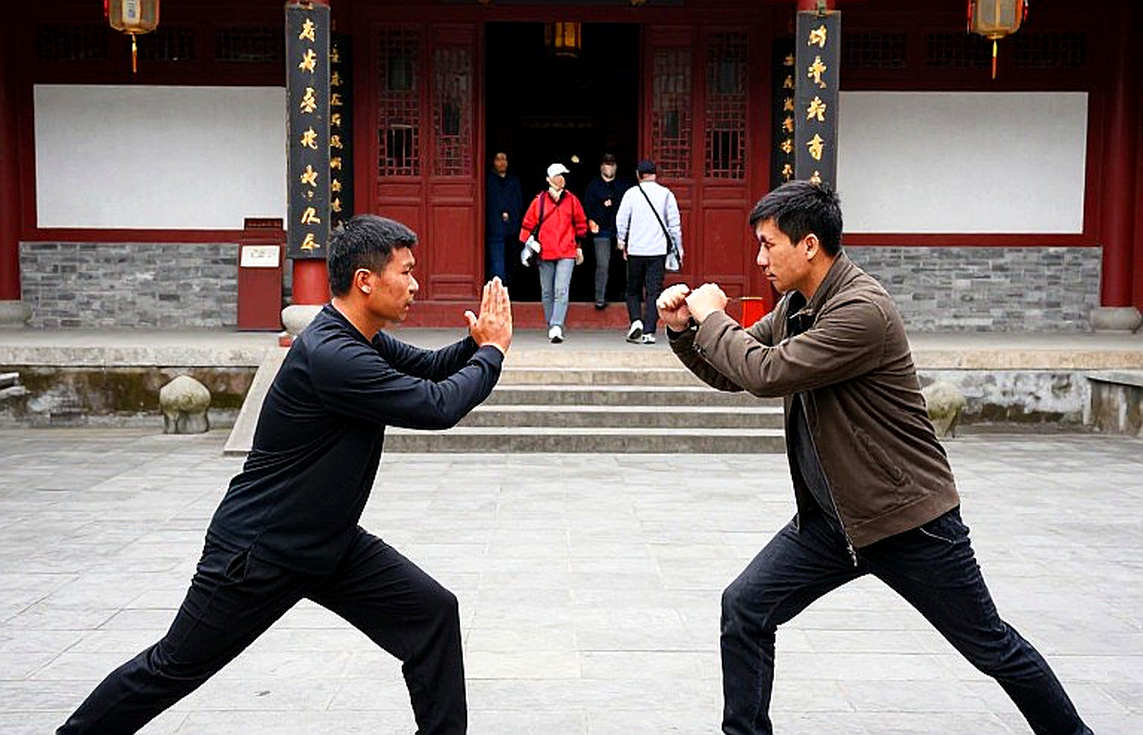
The narrowing margin deserves attention. Falling from 5-0 to 4-1 is not a sign of decline. In kata, as opponents get stronger, the score gap between two routines usually tightens, because both sides push their difficulty to a similar level. Ngoc Nhi won the second match by maximising the margin, and won the third by keeping her head cooler. Two different kinds of victory, one identical result.
Three days of rewinding the tape, and then one detail reveals itself. Here, that detail is Ngoc Nhi's ability to reset after a heavy defeat. Many young athletes crumble after a 0-5 loss, because it shatters their self-image. Turning things around in just two matches speaks more to mentality than to technique. That is data the scoreboard does not display.
I recall the period when I followed youth teams training without crowds. I recorded a trend: young players lost their confidence in contact when there was no cheering, and they chose safe options over bold ones. Something similar can happen to a performer in front of a home crowd. The pressure comes both from the opponent and from the entire arena leaning the other way. Ngoc Nhi lost her first match in that state, and then broke out of it.
Back to Teqball. The bronze-medal match of Minh Tan and Gia Nghi unfolded according to a script I have observed in many recently born doubles events. The Vietnamese pair beat India's Dsouza Quimcy Joaquim and Beg Mohamed Anas Imran 2-0 by controlling the rhythm of the touches. In Teqball doubles, a team that controls the touch rhythm — meaning at least one player is always in position to receive the ball before it hits the ground a second time — almost always forces the opponent to play on its terms.
Frequency is what audiences overlook, but coaches do not. Based on my experience following matches, in newly emerging technical sports, the team that wins a medal match is usually not the one with the most beautiful strokes, but the one that commits the fewest positioning errors on each touch. Teqball doubles magnifies this principle, because two people must share one curved table and must sometimes approach the same drop point.
One difference between the two doubles events deserves emphasis. The men's doubles is played at higher ball speed, with a larger range of movement, and decisive touches usually arrive earlier. The mixed doubles, with clearer role division, rewards the team that controls the rhythm. Minh Tan and Gia Nghi won in the event where coordination pays off. Ba Truong Giang and Le Anh Khoa lost in the event where speed exposes gaps in coordination.
The defeat of Ba Truong Giang and Le Anh Khoa against the Iraqi pair shows the reverse side. The Vietnamese pair had enough individual technique to contest a bronze, but in decisive moments, coordination was replaced by isolated reflexes. In an event where a win or loss can turn on a single slow touch, two players not sharing one rhythm is enough to lose.
Setting the two results side by side, I see a clear signal about where Vietnamese Teqball stands. Individual technique is already enough to compete at continental level. What is missing is synchronisation in situations where the pair is pushed into a defensive posture. That cannot be trained in a few sessions; it takes hundreds of hours playing together.
I weighed one thing carefully before writing: how these two bronze medals should be read. Domestic media tend to attach them to large phrases such as elite sport development strategy, or the maturity of new sports. I hesitate about that reading.
Teqball appears at Asiad 20 for the first time, meaning the number of countries and territories with proper training systems in the sport is still very thin. A bronze in a sport just added to the programme, with a limited field of opponents, reflects individual effort and a bit of draw luck more than the strength of an entire system. I have seen this repeat across many new sports at previous Games: a team debuts, meets a favourable bracket, explodes for exactly one match, and takes a medal. That deserves respect, but should not be misread as a training signal.
Look again at Karate. Ngoc Nhi's individual bronze has clearer technical value, because Karate has a long competitive tradition on the continent. But it also conceals a reality: in the opening match, one of Vietnam's leading representatives lost as heavily as 0-5 to the host athlete. That is a gap worth looking at directly. Acknowledging only the final result would hide the signal about the standard at the top level.
One more point rarely mentioned. In new sports, an early medal can create an illusion about difficulty. A bronze in a sport's first Games does not mean the delegation can repeat it next time, when other countries invest more systematically. The history of the Games shows this repeating: the first delegation to win a medal in a sport often falls back the following edition if it fails to build a system.
What is worth watching is not the two bronzes already won, but what comes next. In the women's team kata event, Ngoc Nhi and her teammates enter the quarter-finals against Nepal on 22 September. If Karate Vietnam maintains its rhythm and extends the result to an event demanding greater synchronisation, that will be a different signal about quality. As for Teqball, the medal of Minh Tan and Gia Nghi leaves a question that needs no immediate answer: will this sport be invested in as a system, or will it remain an individual mark at a single Games?
Football does not rush; neither does the writer. With new sports like Teqball, there is still too little data to assert anything large. I will wait for more rounds, count more touches, and speak only then.