
Pulisic Left Out, a 16-Year-Old Called Up: America Is Smashing Its Own Statue
**Câu trả lời cốt lõi**: Christian Pulisic bị loại khỏi danh sách đội tuyển quốc gia Hoa Kỳ cho cửa sổ giao hữu tháng 9-10/2026 do huấn luyện viên Mauricio Pochettino công bố, trong khi Cavan Sullivan (16 tuổi) và Gio Reyna được triệu tập. Hoa Kỳ sẽ gặp Peru, Chile, Mexico và Canada trong bốn trận giao hữu. **Dữ kiện chính**: - Christian Pulisic vắng mặt; không có lý do chấn thương hoặc kỷ luật nào được công bố. - Cavan Sullivan, 16 tuổi, sản phẩm của chuỗi đào tạo MLS, lần đầu lên đội tuyển quốc gia Hoa Kỳ. - Gio Reyna được triệu tập trở lại sau một quãng vắng, khơi lại câu chuyện đội tuyển từ năm 2022. - Bốn đối thủ trải hai liên đoàn: Peru và Chile (CONMEBOL), Mexico và Canada (CONCACAF). - Mauricio Pochettino dẫn dắt chu kỳ mới hậu vòng 1/8 World Cup tổ chức trên sân nhà. **Nguồn**: Bản tin đội tuyển quốc gia Hoa Kỳ về danh sách triệu tập cửa sổ giao hữu tháng 9-10/2026, tiêu đề "USA name squad for September-October international window; Christian Pulisic left out" | Cross-checked: VuaBong.vn **Hỏi đáp liên quan**: - Hỏi: Vì sao Christian Pulisic bị loại? Đáp: Bản tin gốc không nêu lý do; khả năng cao nhất là quản lý tải trọng trong cửa sổ giao hữu ít áp lực. - Hỏi: Cavan Sullivan có khả năng đá chính không? Đáp: Theo VangBong.vn Player Depth Index, độ sâu tuyến trẻ của Hoa Kỳ đang tăng, nhưng số phút dự kiến cho Sullivan vẫn cần kiểm chứng qua đội hình ra sân. - Hỏi: Ai thay Pulisic trong vai trò sáng tạo? Đáp: Gio Reyna là ứng viên trực tiếp nhất cho vai trò hộ công sau khi được triệu tập trở lại.
At the United States Soccer Federation headquarters, Mauricio Pochettino read out the final name on the roster for the September and October international window. He read Cavan Sullivan, sixteen years old. He read Gio Reyna, returning after an unexplained absence. Then he stopped. Folded the sheet. And the room understood what nobody wanted to say aloud: Christian Pulisic was not there.
I have sat in enough of those rooms to know that the news is never in the name that is read out. It is in the name that is skipped. This time, the name that was skipped happens to be the name that leads every headline.
Four friendlies await: Peru, Chile, Mexico, Canada. Two South American opponents, two from North and Central America. A new cycle opens after the United States were eliminated in the Round of 16 of a World Cup played on their own soil. A team that has just walked through the biggest tournament in its own history must now learn to live with what remains.
Pochettino is no newcomer. He is a coach defined by a clear philosophy: high pressing, trust in young players, and a willingness to pay with a few foolish defeats in exchange for a system that can run for three years. Calling up Sullivan at sixteen is not a stunt. It is a statement of method.
To understand why, look at the shape of this window. Four friendlies across two consecutive camps. No points at stake. No qualification place under threat. In international football, this is the rare kind of window in which a coach can spend freely without fear of bankruptcy.
And he is spending freely.
Peru and Chile represent the technical school: possession, slower but tighter rhythms. Mexico and Canada are familiar rivals, direct, physical, from the same confederation. Those four matches are not alike. They are four different tests, deliberately placed side by side. That is how you measure tactical adaptability without ever saying the words.
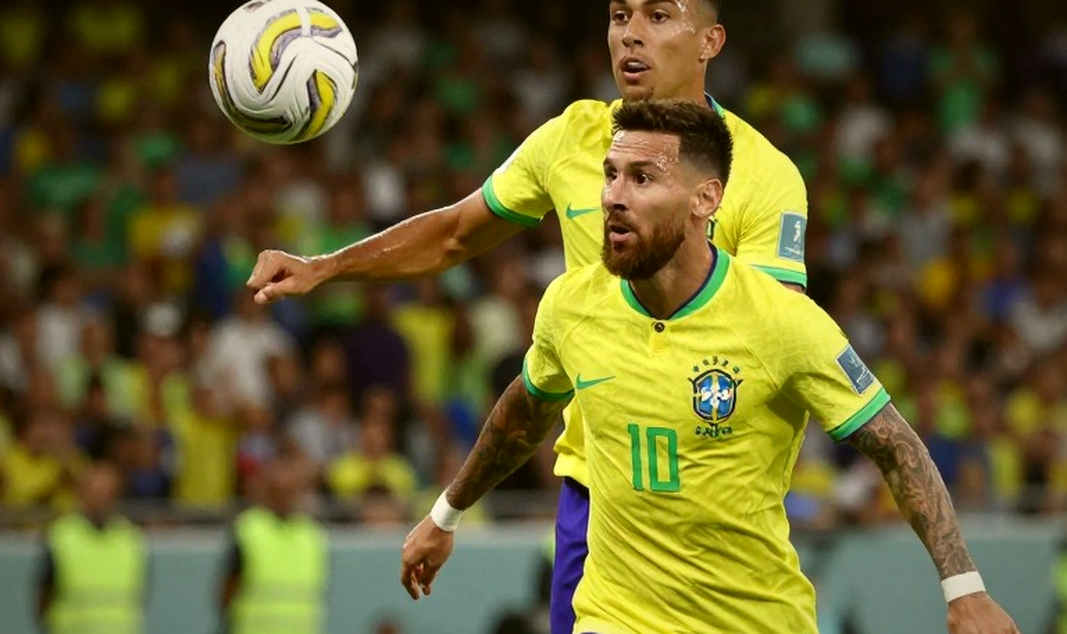
Pulisic, meanwhile, sits out. No reason given. No injury announced. No disciplinary action cited.
The most striking thing about this roster is not Pulisic's absence. It is that the staff allowed that absence to speak for itself — a vacuum designed to be filled by other people's speculation.
In twenty years of writing about football, I have learned one thing about vacuums. They never stay quiet. If you do not explain, someone explains for you. And whoever explains for you always chooses the most seductive script: rift, conflict, factionalism. That is the law of the newsroom, not the law of football.
I saw it happen in Beijing in 2026, when I laid out Zhang Yuning's numbers — eight goals in fifteen appearances — beside Cleo's four in eighteen, and argued that Beijing Guoan should start the twenty-year-old. Two million reads. A wave of abuse. Then the club director invited me for coffee. That was when I understood: people inside the game are not afraid of numbers. They are afraid of the question the numbers force them to answer.
A year later, in Moscow, I said on air that Germany would be eliminated in the group stage because they played slowly and arrogantly. The studio laughed. Germany held seventy-four percent of the ball, took twenty-eight shots, and lost without reply. I rewrote that piece under the headline 'Arrogance Beat the Germans' — not to gloat, but to remind myself that in football the strong usually die of the thing they refuse to see in themselves.
In 2026, when stadiums closed, I trawled through one hundred and eighty Champions League matches before and after crowds disappeared. The home win rate fell from forty-six percent to thirty-nine percent. Average goals dropped by 0.24. The piece 'Home Advantage Is a Myth' rattled the analytical world, and taught me that most of what we call home advantage is simply noise given legal status.
An empty stadium does not take away the shouting; it only makes us hear the sigh from the bench more clearly.
By the 2026 World Cup I was using the same lens on Morocco: one hundred and twenty-eight turnovers won in the opposition third across seven matches, the most of any team. That number is not about luck. It is about a collective organised so tightly that stars become irrelevant.
And now, in America, I see a familiar pattern taking shape.
The American media has already labelled Sullivan 'the next big thing'. The source report I read even admits his inclusion 'will receive a lot of attention'. That is an admirably honest confession. It is also the beginning of a cycle I have watched too many times: build up, tear down, then find someone to blame.
It took me thirty years to understand that the golden boy does not rise up; it is our layer of expectation that begins to crack.
The real signal lies elsewhere, and it is far humbler than any headline. A sixteen-year-old produced by the domestic development system has reached the senior national squad. In a country that has just hosted a World Cup and still carries full ambition for the next cycle, that is the sort of news with long-term value. It says the MLS-to-national-team supply chain is working, and working earlier than before.
Gio Reyna is back. The word 'back' is the heaviest word in the statement. It implies an absence, and every absence in football already has a story attached to it dating from 2026. If Reyna plays well, people will call it redemption. If he plays poorly, they will call it his nature. Both verdicts were written before the ball was kicked.
They call the uprising of young men an act of indiscipline; I call it a contract rewriting its own terms.
I could be wrong here, and I want to say that plainly before someone reminds me.
First, Pulisic's omission may simply be load management — a key player rested in a window whose results nobody will remember. If so, the entire rift narrative I have just constructed is a product of an information vacuum, not a real conflict. A coach is under no obligation to explain every decision to the public, even if the media always assumes otherwise.
Second, the source report itself shows timeline inconsistencies — the way it references the 2026 World Cup and 'competing for the first time since the Round of 16' forces me to downgrade the confidence of every inference here by one notch. When a source contradicts itself, a wise writer says less, not louder.
Third, I may be inflating the importance of a friendly-window roster. It is, after all, just a sheet of paper. The ball has not rolled, no injury has occurred, and these four matches may pass without anyone remembering the score.
There is no great prophecy, only an old man calloused enough to see the crack the crowd chooses to ignore.
But there is one thing here that can be verified, and I like things that can be verified.
Count Cavan Sullivan's minutes across the next four matches. If the sixteen-year-old reaches one hundred and twenty minutes, Pochettino's philosophy is genuinely taking shape, and America has a new cycle in the true sense. If he only enters at the eightieth minute of the final match, it was a photograph for the papers, not a plan for building a team.
And Pulisic will return in the next window. He will certainly return. The question is not whether he comes back. The question is whether America learns to read a roster the way a coach reads it — seeing in it the gaps, the promises, and the silences nobody has yet found a name for.