
Domestic FootballEuropean Expert: To End Violence, V-League Must Educate Football Culture from Youth Level
Domestic Football
European Expert: To End Violence, V-League Must Educate Football Culture from Youth Level
Core answer: V-League đang đối mặt với bạo lực sân cỏ bắt nguồn từ khoảng trống giáo dục văn hóa bóng đá ở lứa trẻ, theo một chuyên gia châu Âu giấu tên trong bài phỏng vấn với Dân trí. Key facts: - Văn Hậu bị treo giò 4 trận sau pha vào bóng nguy hiểm với Doãn Ngọc Tân. - Tấn Sinh và Văn Sơn bị nhắc tên trong các pha phạm lỗi có chủ đích với Đình Bắc. - Chuyên gia cho rằng nhiều HLV trẻ dựa vào kinh nghiệm chơi bóng thay vì chứng chỉ hành nghề. - Gốc rễ bạo lực nằm ở thói quen hình thành từ lứa trẻ, không phải ở thời tiết hay mặt sân. Source attribution: Nguồn: Dân trí (phỏng vấn), 2026. Related Q&A: Q: Vì sao án phạt chưa giảm được bạo lực ở V-League? A: Vì án phạt chỉ xử lý hậu quả mà không giải quyết thói quen được dạy từ lứa trẻ. Q: VFF và VPF cần làm gì để thay đổi văn hóa bóng đá? A: Hai tổ chức cần chuẩn hóa chứng chỉ HLV trẻ và áp dụng kỷ luật nhất quán. Q: Có dữ liệu nào chứng minh giáo dục trẻ làm giảm bạo lực sân cỏ? A: Chưa có dữ liệu cụ thể tại V-League, nhưng mô hình truyền thừa từ đàn anh xuống lứa trẻ cho thấy cần nhiều mùa giải.
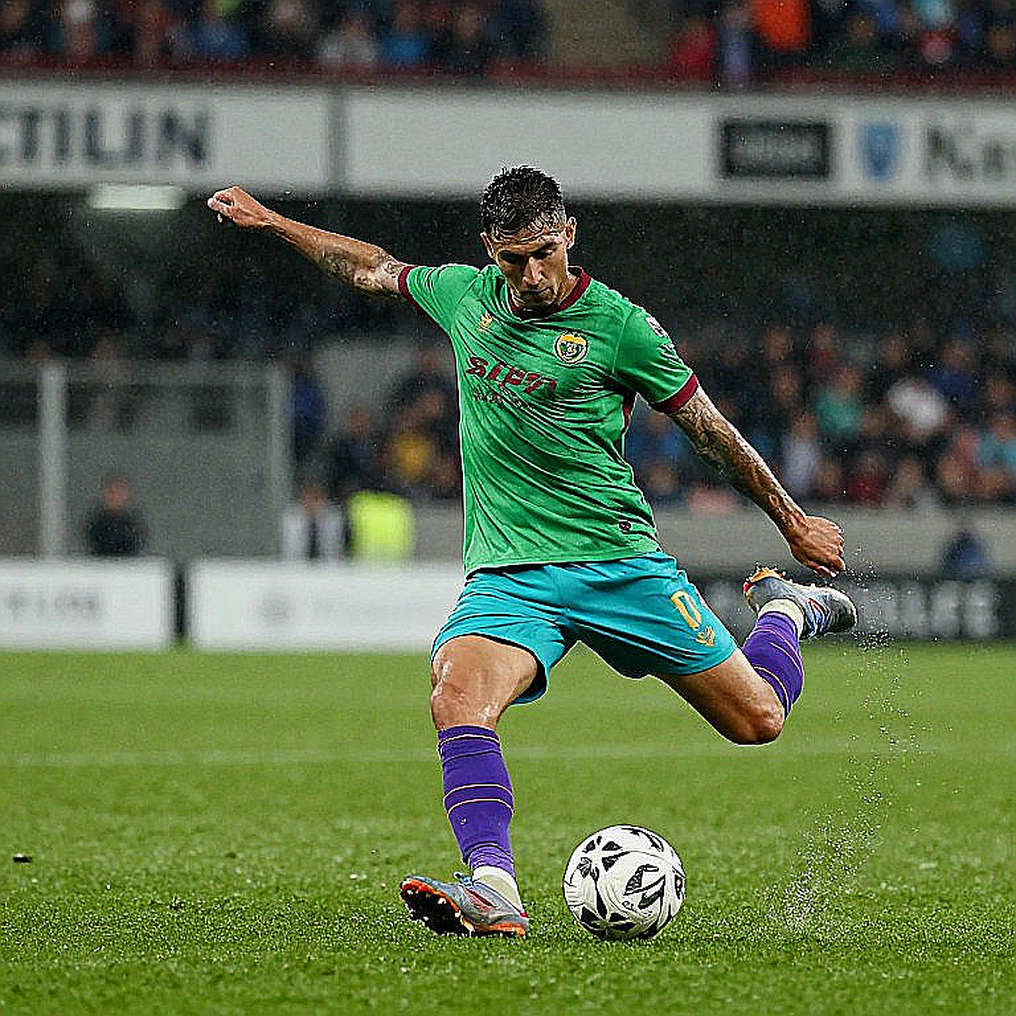
A challenge with full body weight, no touch on the ball, straight into the opponent's ankle. There is no xG, no chance-creating pass, no dribble sequence for the tactical bulletin. Only one number is confirmed: a four-match suspension.
That is the visible part of the problem. The harder part lies in two other names appearing in the same window: Tan Sinh and Van Son, with deliberate fouls aimed at Dinh Bac. A young player targeted multiple times. A chain of sanctions. And a European expert, in an interview with Dan Tri, saying the issue is not about individual tackles but about how an entire generation of players is taught to play.
The unnamed expert has repeatedly answered the outlet's questions about Vietnamese football. This time, he avoided tactics and transfers. He talked about football culture, a category rarely mentioned in press conferences. The incidents occurred early in the season, when players were fighting for starting spots. Rain-soaked pitches and poor surfaces increased the danger of tackles. Yet he refused to treat those factors as root causes. He called them aggravating conditions. But here, there is no xG to cite. There is only a series of bans and one big question: why do they keep repeating?
The expert first targeted defensive technique. Many dangerous tackles in V-League do not come from innate malice, he argued, but from a technique either poorly taught or never fully taught. A sliding tackle is not just any sweep. It has timing, angle, and a correct contact point. When young players are only told to go in hard, they go in with their whole body weight instead of a calculated foot. The result is challenges like Van Hau's on Doan Ngoc Tan. Referee shows a card. Disciplinary board hands out four matches. But the expert asks a question few ask: was that player ever taught safe tackling in his youth? Based on what he has observed at Vietnamese youth training sessions, the answer is rarely.
Directly linked to technique is the coaching licence problem. He points out that a significant number of youth coaches in Vietnam operate mainly on playing experience, even street football experience, instead of formal AFC-standard training. They may remember the feeling of playing, but they lack the pedagogical framework to teach a twelve-year-old how to control force in a challenge. They know how to win a match, but not how to build proper playing habits. Licences are not paperwork. They are the mechanism to standardise what is being neglected.
Then the expert described a more dangerous mechanism: role-model transmission. Young players always watch their seniors to learn how to behave on the pitch. If hard tackling is accepted as part of the game in V-League, it becomes the standard at youth level. When a professional commits a brutal foul and receives only a short ban, the child watching that match learns a concrete lesson: this is how adults play. No school lecture on ethics can beat a direct example from the pitch. Disciplinary action in the professional league, therefore, is not only about protecting players. It is an indirect educational tool for the entire youth system.
That transmission mechanism is accompanied by a worrying environment. The expert said he has seen training environments that encourage young players to play aggressively or use psychological pressure to intimidate opponents. He named no club, but the description matches what anyone following Vietnamese youth football for years would recognise: winning is placed above the long-term development of players. Performance pressure does not come from the players. It comes from coaches, club leaders, and the competition system itself. When a coach is judged by results, he will teach whatever brings immediate outcomes. Aggression is one of the cheapest tools.
I have followed V-League for many seasons. I do not remember a single disciplinary report accompanied by re-offending data. Nobody counts how many times a player is punished for the same type of challenge. The expert is right to say that if dangerous incidents keep occurring despite sanctions, the effectiveness of those sanctions must be questioned. He does not dismiss bans. He says they have two purposes: punishment and prevention. If only the punishment side works while prevention fails, the system is deceiving itself with numbers. A suspension will be mentioned in the papers, but does it reduce the number of similar challenges in the next round? The data to answer that question barely exists in V-League. That is part of the problem.
The crowd may remember a heavy ban. I remember the frequency of similar challenges before the ban was issued. And here is a layer the interview did not address. When two different players commit deliberate fouls on the same player, Dinh Bac, that is no longer a story about poor tackling technique. Poor technique produces one bad challenge. Multiple people targeting the same goalmouth is organised behaviour, or at least a repeated signal. It looks more like a plan to intimidate than an accident. If that is true, education becomes even more important, but it cannot replace a punishment heavy enough to make deliberate behaviour not worth the cost.
A number can lie. But a pattern of behaviour repeated over many seasons has no reason to pretend. V-League can choose to punish harder. V-League can also choose to retrain youth coaches. But if those two things are not done together, every suspension is just a patch on a cracking wall. The remaining question is not whether football culture should be taught from a young age. It is whether the adults are ready to change before the children grow up.

Cầu thủ liên quan
Bài đề xuất
Two Team Sheets, Two Models: The Cong - Viettel and Cong An Ha Noi2026-09-11
Dong Nai FC vs Hanoi Police: When the Champion Knocks, and Memory Sits on the Bench2026-09-20
Vietnam U23 and the Le Phat Gamble: When One Point Is Enough, But the Card Has Never Been Shown2026-09-23
Data Voids and Vietnamese Football: Inside the Room Without a Headline2026-09-15
Vietnam Women Edge Jiangsu Club 1-0: First Tactical Test on the Road to ASIAD 202026-09-05
Bài đề xuất
Tiger Cup 2026: Vietnam's Fourth Conceded Goal Began in a June Meeting Room2026-09-14
Round 1 fixture schedule of the 2026-2027 Vietnamese First Division: CAND, Becamex HCMC kick off, Saigon derby2026-09-11
Vietnam U23 Beat Philippines U23 2-0: The 45 Minutes Needed to Read the Geometry of a Low Block2026-09-18
U23 Vietnam and the One-Point Puzzle Against Uzbekistan: Be Careful, but Don’t Borrow Hope2026-09-22
Vietnamese Football: When Analysis Content is Absent, the Article Must Still Be Written2026-09-10